Scale & Transform Your Business with
AI-Powered Marketing, Sales Strategy & Proven Systems
For coaches, experts, entrepreneurs, organizations ready to simplify marketing, attract premium clients, automate results lead with clarity in the AI era.


You Might Have Seen Me On







You Might Have Seen Me On
How We Help
How We Help
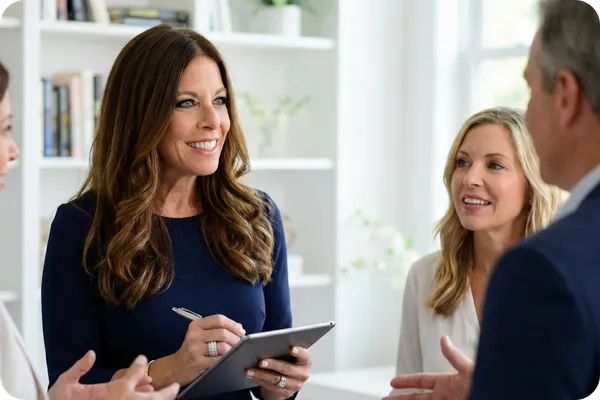
Here’s how we help you build a business that feels as good on the inside as it looks on the outside:
Build high-ticket offers that reflect your expertise
Develop signature talks that generate clients
Create AI-powered marketing systems that run 24/7
Automate, delegate, and streamline operations
Confidently scale toward 7 figures and beyond without burnout
The industry has changed. What worked yesterday isn’t cutting it anymore. But here’s the exciting part – you’re perfectly positioned to take advantage of the AI revolution… if you know how.
Here’s how we help you build a business that feels as good on the inside as it looks on the outside:
Create AI-powered marketing systems that run 24/7
Build high-ticket offers that reflect your expertise
Develop Signature Talks That Sell™ by generating clients
Automate, delegate, & streamline operations
Confidently scale toward 7 figures & beyond without burnout
Who This Is For
Coaches, consultants, entrepreneurs & corporate teams who are:
Ready to modernize marketing & sales
Want to create funnels that will convert into clients
Committed to ethical, proven strategies
Tired of piecing together tactics & want one clear plan
Eager to leverage AI to work smarter & grow faster
Instead of continuing to struggle, why not take a different course of action?
We have everything you need to grow your business, increase your sales and reach your goals all in one place, along with the team that will hold your hand to help you get it done.
Who This Is For
Coaches, consultants, entrepreneurs, and corporate teams who are:
Ready to modernize marketing and sales
Committed to ethical, proven strategies
Tired of piecing together tactics and want one clear plan
Eager to leverage AI to work smarter and grow faster
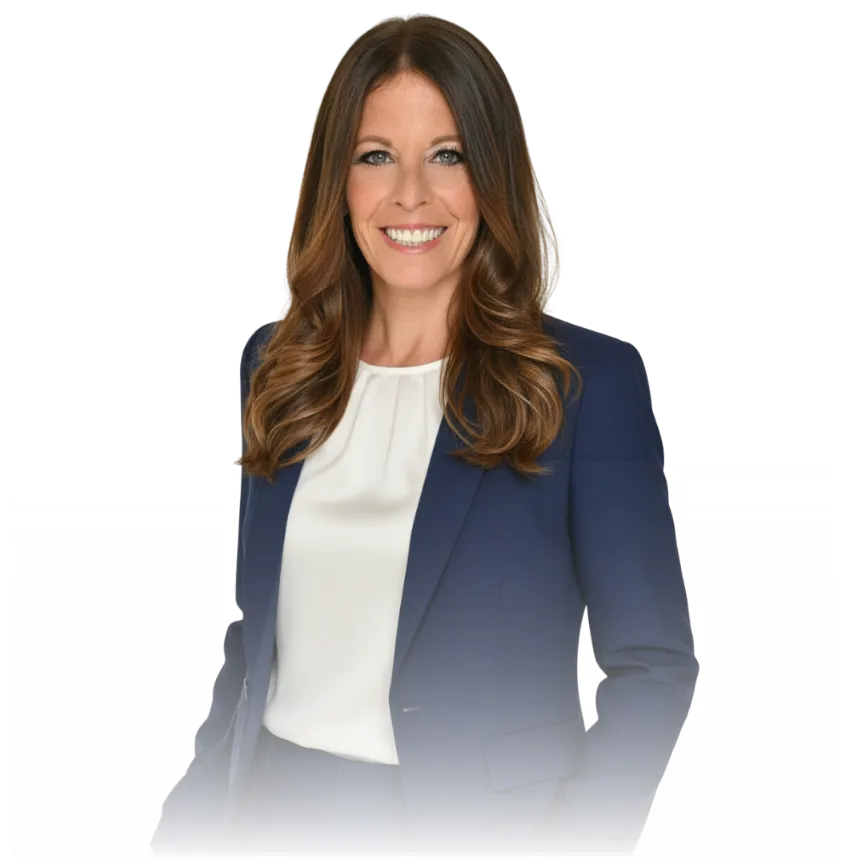
Lisa Lieberman-Wang is a
Business Marketing Strategist & AI Authority
Business & Marketing Strategist and AI Authority
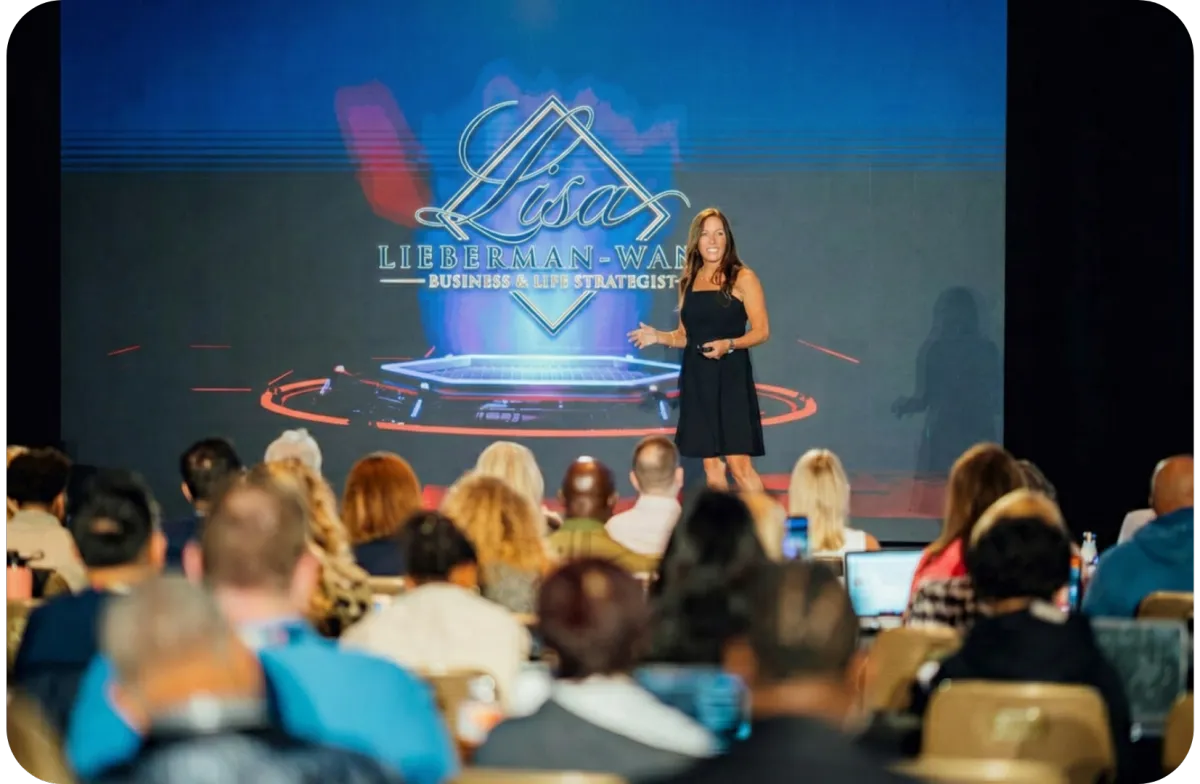
35+ years of proven experience in sales & marketing
Over 4,000 hours mastering AI strategy & automation
Eight professional certifications in AI & technology
Six-Time #1 Bestselling Author
Endorsed by industry icons including Tony Robbins, Richard Bandler, Sharon Lechter, Bill Walsh & Raymond Aaron
Download My #1 Bestselling Books & Unlock the
Strategies to Grow Your Business Faster
Download My #1 Bestselling Books & Unlock the Strategies to Grow Your Business Faster
Discover proven frameworks, AI-powered marketing secrets, and step-by-step systems to attract premium clients and scale toward 7 figures & beyond.
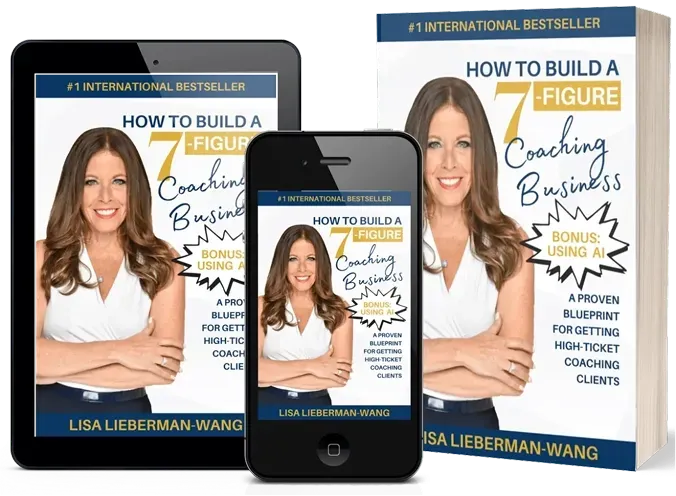
How to Build A 7-Figure
Coaching Business
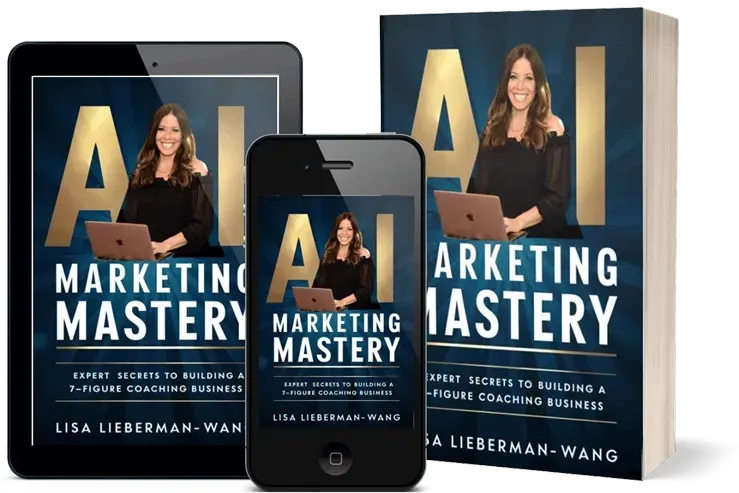
AI Marketing
Mastery

What Clients Say
What Clients Say
The results speak for themselves. When clients work with Lisa, something fundamental shifts — not just in their business, but in how they think, what they believe is possible, and how they show up in the world. The wins are real, measurable, and often life-changing. But it goes deeper than revenue. Clients say Lisa saved them years of trial and error, gave them systems that finally made sense, and put cutting-edge AI and technology in their hands before the competition ever saw it coming.
Join forward-thinking organizations and leaders who have chosen to stop playing catch-up and start leading the way. Whether you're a consultant, a growing team, or a forward-thinking corporation, what you'll find here are stories of clarity gained, time reclaimed, resources maximized, and ceilings shattered. These aren't just testimonials — they're proof of what becomes possible when strategy, innovation, and human potential come together.
WOW! Lisa Lieberman-Wang is the real deal. She’s a legit AI & marketing superstar. I worked with her on my first mastermind, and together we crushed a six-figure talk that sold incredibly well. With all candor, I’m normally underwhelmed by other people’s level of work commitment. But working with Lisa was so different; it was refreshing. At every opportunity, she went above and beyond to make sure all the fine details were executed to completion. Because of Lisa, the results we generated together were phenomenal. Her abilities, strategies, and willingness to optimize are among the many reasons I’m going to be working with Lisa for many years to come.

I’ve been working with Lisa for almost a decade, and she’s consistently kept me on the cutting edge of marketing trends. AI is no exception. Lisa introduced me to AI tools before they became mainstream, giving me a significant advantage. I’ve developed skills few others possess, creating custom GPTs and becoming a valuable resource for leveraging AI in marketing. Her strategies have resulted in over 520% ROI on coaching services. Lisa’s new book covers everything from creating content at scale to mastering AI for in-depth marketing gains, instrumental in my own business growth. If you’re looking to build a seven-figure coaching business with cutting-edge AI strategies, this book is a must-read.

Using Lisa's signature formula, her 7-figure talk process, and her deep dive into what people really need, want, and desire, she showed me how to help provide that value and that transaction to them. I've been able to generate millions, that's right seven figures in sales.

We originally engaged Lisa to help us improve our messaging and our sales. As soon as we started working with her, so many things made sense and fell into place. With Lisa, we've acquired many skills, above all, our ability to communicate our value to customers in a crisp and simple way. She has helped us rethink how we serve our clients and how to deliver the most value to them. Now our message is easy to convey, consistent, and resonates with our client base. Since we've been working with Lisa, our conversion rate has gone from around 20% to over 75%. She takes seemingly complex and elusive concepts and distills them into a simple form. It's simplicity rooted in mastery.

Hi, Magie here! About two years ago, I took to Tony Robbin's online program called KBB, which is called the "Knowledge Business Broker Blueprint" and I finished, but I got stuck because I guess you are supposed to figure it out after that on your own. I'm so fortunate that I met Lisa. I met her at the EWomen Conference in Dallas, where I was a keynote speaker there and we connected. I'm currently taking her Platinum Coaching and I also took her online business program, Mastery to Millions, on how to build a business course. Let me tell you, the very first week after I was done with this program, I made $23,000. Lisa really truly cares about her clients. She wants to see results. She will hold your hand. She will walk you through it, and I am so blessed and fortunate. Lisa, I am blessed by you and can't wait to make more money with you. Thank you!

I'd been coaching with Lisa Lieberman-Wang for just over a month and I made over $70,000.00. I can honestly say that this was the BEST investment I have made in myself in the last 12 years. To be honest, I am not shocked. Lisa knows how to look at what you are doing and how to make it better. She knows how to leverage resources that you may have never thought of. Within 9 months I made over $250k that's more than two years of income in the past. In one year, I made over $420k. If you are looking to take your business to another level, learn new ways to leverage, and how to create more income, Lisa is a MUST.

Before: " In 4 months... 103 people walk in my business and sales team made 7 sales, only closing 7%" After: Lisa came in and evaluated my process and helped me refine the system and the methodology my team was using. In the first week, we closed 10 out of 11 people. Just by implementing the strategies we learned, we went from a 7% closing ratio to 91%! On average clients stay with me for multiple years that means just off of the 10 clients my business made an additional $22k in the first year. As I follow the system and maintain a 91% close ratio. That would mean that out of the next 103 people that walk in the door we could close 94 of them grossing another $213, 192 for the 1st year just by identifying and following a system. Five years is a million dollars in revenues.

Taking the Platinum Business coaching with Lisa's Mastery to Millions... You're One Conversation Away... I did my first webinar with only a handful of people and made $13k and the week after I did it again. One client was worth over $75k today. Lisa knows what works and wants you to succeed.

On my first webinar following Lisa's method of crafting my Signature Talk I got my first client for $5,000. She is methodical and knows how to help you create a talk that sells. She got me moving forward with results. It's worth millions of dollars and appreciate her getting me started. Lisa is passionate about getting you to the next level. Make the investment so you can stop talking about it and start doing it.

I loved public speaking and had a webinar I was proud of; however, it was not converting. I was used to delivering talks that educated not enrolled. I started with Lisa's Signature Talk program, Mastery to Millions, where we reworked nearly my entire webinar. I was reluctant and a bit resistant at first, and after my first webinar I started closing clients. Lisa and I continued to work together implementing a business plan through her Platinum Business Coaching. I became more of a CEO of my business rather than living off "hopium". Within 6 months (July 1 - Dec. 30) I have now made $120,000.

When COVID hit I thought I would lose my business because it was mostly in person. If I didn't have Lisa, I don't know what I would have done. This year I made over $185k P/T working 20-30 hours a week while homeschooling my three boys and taking off for the summer. Lisa is absolutely amazing. Anyone that follows her plan will succeed with out a doubt.

I love working with Lisa because I was stuck with what I knew I wanted to do with my business. I've had a business for several years, but just doing an hourly thing and stressing out with it. I needed someone to hold my hand to do it. There's a plan here, but not necessarily a cookie cutter. She caters to me which I feel that personal touch and that's made all the difference with why I've been successful. After my first webinar, I sold 3 of my Cut the Crap packages that I haven't even put together yet. I've made $10,000 and I haven't really done too much work. People call and knowing what to say and how to say it using her scripts has been a game changer for me.

I am really, excited to be working with Lisa. I've been in my private practice as a life therapist for 13 years. I've always felt successful in in my practice, but the idea of selling my courses or books has always just been super daunting for me. And after just one month of working her with her, we created a talk that turned into a course that I hadn't even created yet. And I actually sold $27,000 after my first talk. And I don't know if I've ever sold more than a handful of books after talking. So, I'm super excited to see what's to come and have been really satisfied and impressed with the experience I've had so far. And her team is really awesome, too. They're on top of it. They're efficient. I've worked with lots of different people and had other marketing companies before and they're up there.

I love Lisa. Lisa has the most authentic, loving, amazing way of interacting with me. I went from having a fear of building my own business to really feeling like I can do it. And I have that hand holding level of support that I need to get all of my questions answered. She has a step-by-step process that I can follow and know that there is a system in place to really help me with my business and what I'm growing in eight weeks time in working with Lisa I made $12,000 and it has been a most amazing experience. I would 100% recommend that if you are growing a business or you are working through fears and obstacles. Lisa is that person for you.

I have been trying to get my business Off the ground for approximately five years now with no clear direction of how and where I wanted it to go. This led to multiple failures. The best thing that happened to me was being introduced to Lisa Lieberman-Wang. She is absolutely amazing. within six weeks I was able to get a 400% return in my business. My first webinar I made $12k. I simply followed her blueprint, and my results were extraordinary. I recommend Lisa as a mentor & business coach to any and everyone that wants to have a successful business. Her experience and results speak volumes. Thank you, Lisa, for all that you have done and going to do for making me even more successful.

As a Health Professional, One of the Single BEST INVESTMENTS I ever made in myself and my practice with Lisa. I stopped "undervaluing" my services and implemented the tools I gained in this program. My first package sold was $3500 for 3 months and it was simple. I "Just did it". By applying all that I learned from Lisa's programs. In less than 10 days I increased my prices and generated over $21k. By the end of the first month I had earned over $45,000. My income has increased by 1000%. The programs she offers are PRICELESS! I have registered for everyone Of them.

Lisa has a magical process. One of the best parts about it is the Million Dollar Close, it's amazing! The first time I used it I signed a contract with my first $5,000 client and I felt, holy wow, it works! I was so excited because it really is, a million dollar close. That's when the whole thing of aha opened up and it was beautiful. Now I've had the second one. So right now I'm two for two, which is great. I have a feeling that the trend is going to continue. So thank you so much Million Dollar Close. Gets triple thumbs up for me. Thank you!
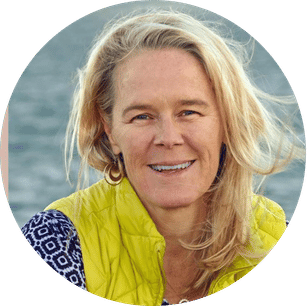
I’ve been working with Lisa through many different facets of business and life for quite a few years. So whether you’re new working with Lisa or worked with her for years, as I have, you can get something new every day. Recently Lisa helped me with my close. My close, has certainly increased, I spoke to four prospects and three of them became clients, two of them for my largest program. So thank you, Lisa.

I recently completed Lisa Lieberman-Wang’s Mastery to Millions program and I felt like it was a business school for entrepreneurs. She holds your hand and helps you create your program, goes through how to market yourself, gives you the confidence to speak, puts you out there, she calls you out. She gives you that tough love. But it’s all just to help you move forward in your business. It has helped me gain more clients. It’s helped me speak without hyperventilating because I used to every time I spoke. I used to make excuses for myself, and I wasn’t realizing I was making excuses as to why I couldn’t do things. So, she really gave me that accountability and that push to move forward. And it has shifted my mindset. It has just helped me be a more productive person at home, with my career with my business, and as a mom too. I have I’m juggling a lot with homeschooling during COVID. To do that, and to run a business at the same time, can be a loss, it has taught me a lot of great techniques on how to overcome that and to schedule my time and to get it done and not to use any excuses.

What Industry Icons Say
What Industry Icons Say
"So proud of you. You said you were going to do it and you did. Not everyone does what they say."
"So proud of you. You said you were going to do it and you did. Not everyone does what they say."
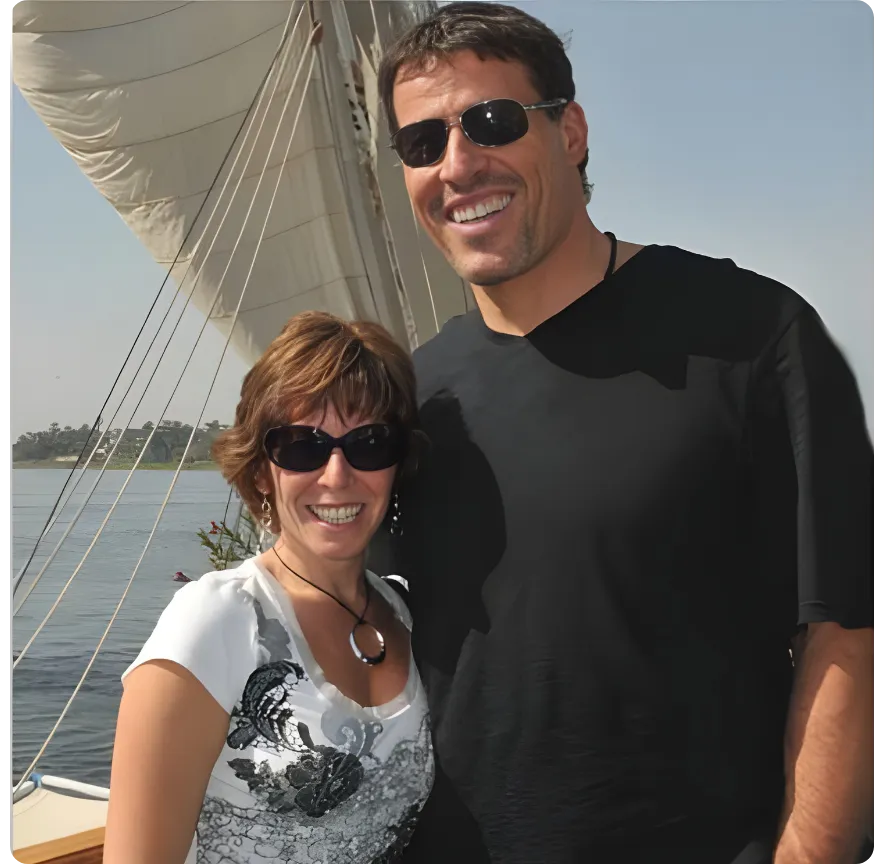
Tony Robbins
Peak Performance Life/Business Strategist, Author & Philanthropist
"When we take care of ourselves, we are more effective, we are more creative, and we are more successful in a broad definition of the word."
"When we take care of ourselves, we are more effective, we are more creative, and we are more successful in a broad definition of the word."
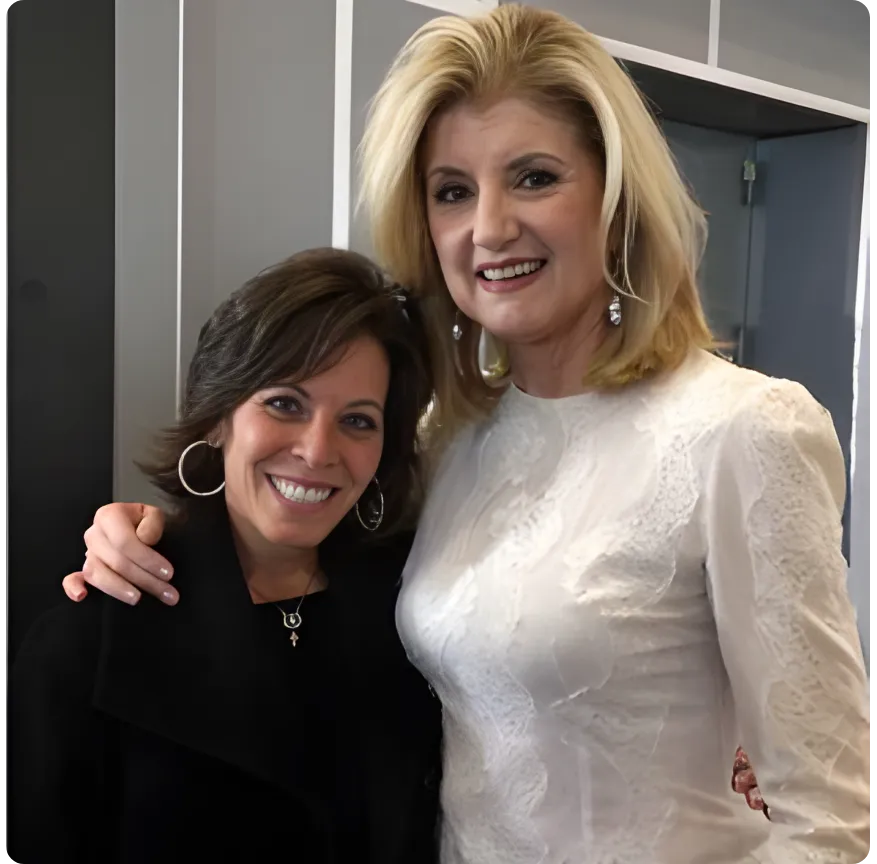
Arianna Huffington
Founder of The Huffington Post, author & businesswoman.
"Lisa is an amazing speaker. I was dazzled…The range of emotion, I have never seen ever in any other speaker ever in all of 34 years… I endorse Lisa Lieberman-Wang"
"Lisa is an amazing speaker. I was dazzled…The range of emotion, I have never seen ever in any other speaker ever in all of 34 years… I endorse Lisa Lieberman-Wang"
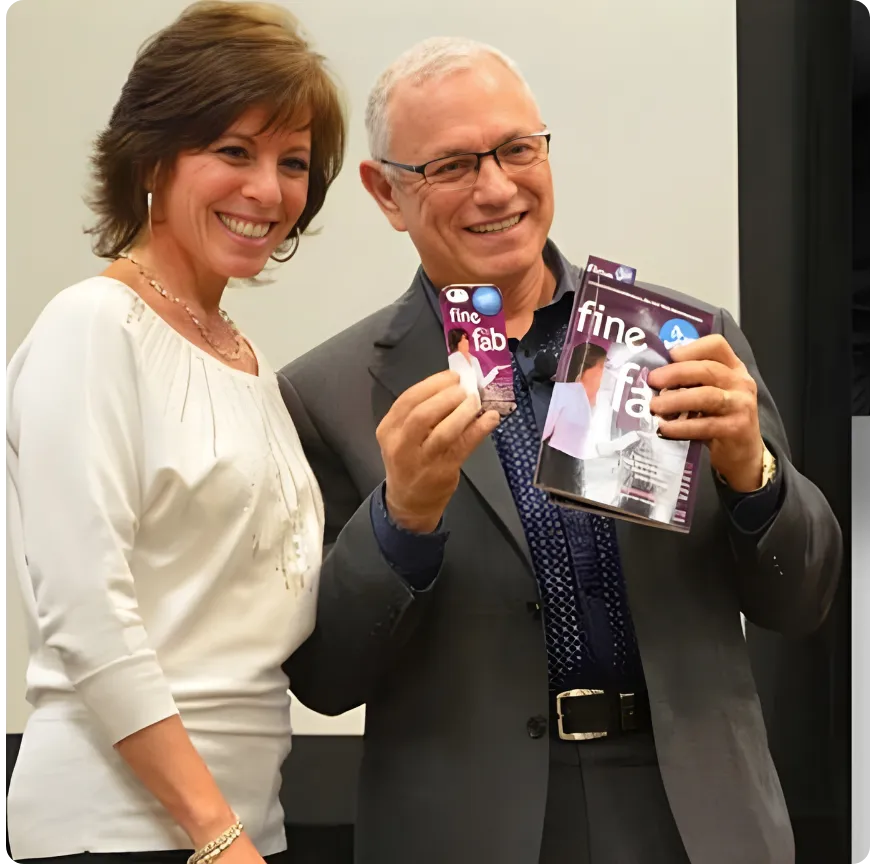
Raymond Aaron
Multiple NY Times Best Selling Author
"Lisa has an engaging and dynamic stage presence that inspires everyone who hears her. Not only does she challenge our minds, but she also touches our hearts. We have her speak anytime we can get her."
"When we take care of ourselves, we are more effective, we are more creative, and we are more successful in a broad definition of the word."
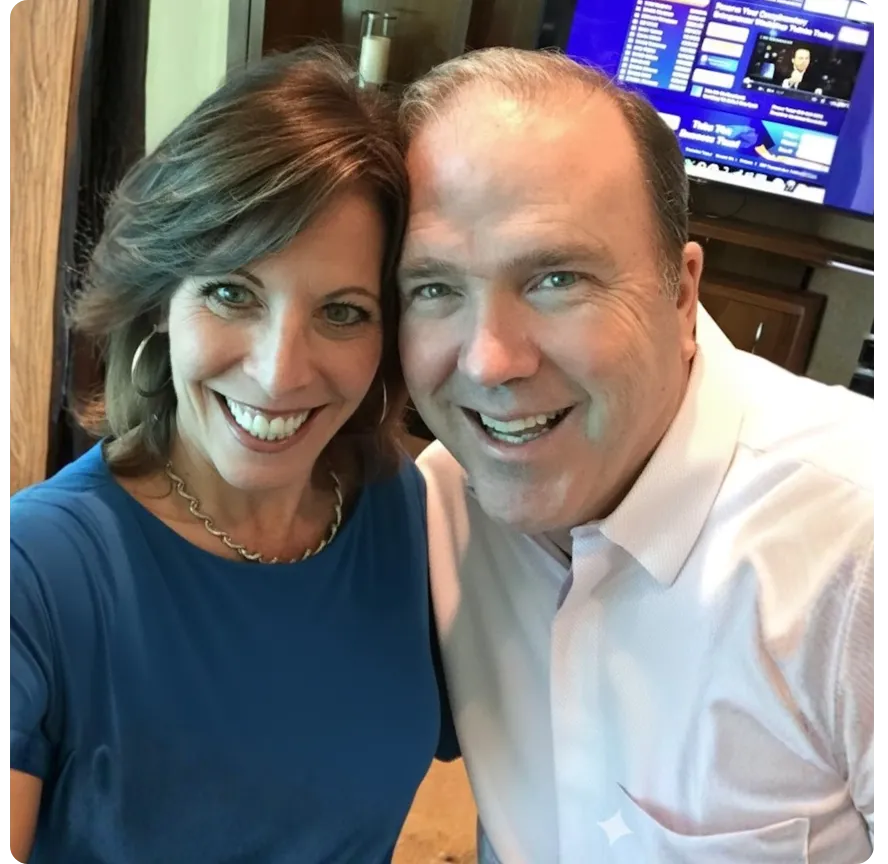
Bill Walsh
America's Business Expert Author, Platinum Sponsor NY Small Business Expo"
"Our biggest limit is not in what we want and cannot do; it is in what we have never considered that we can do… *Lisa can help you."
"When we take care of ourselves, we are more effective, we are more creative, and we are more successful in a broad definition of the word."
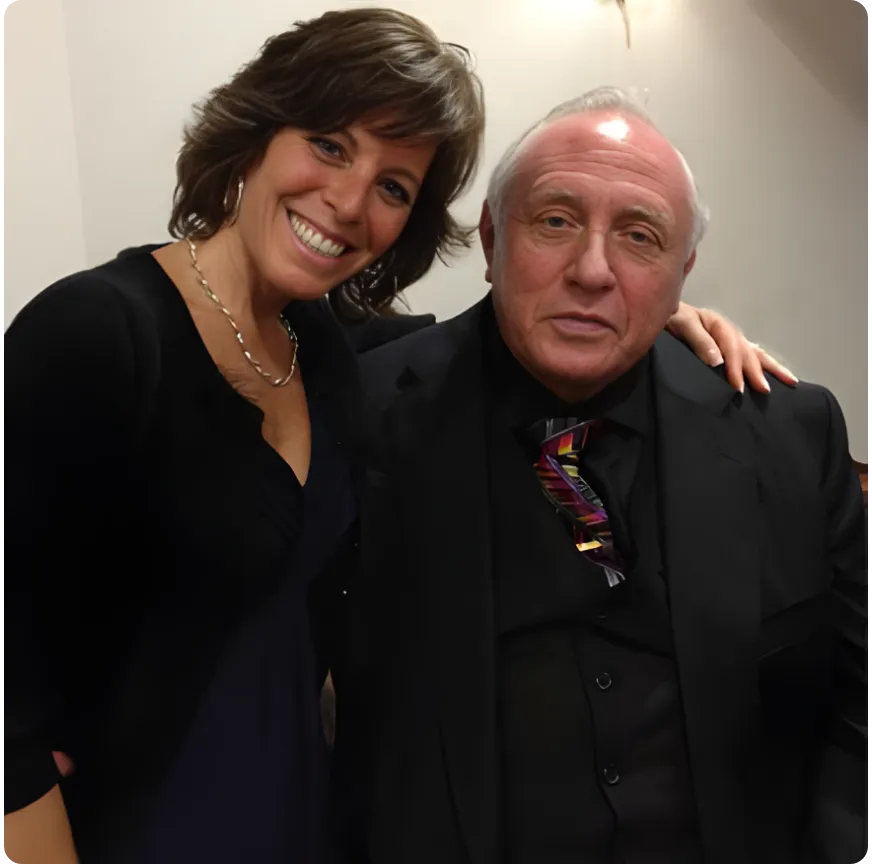
Richard Bandler
Co-Creator of Neuro-Linguistic Programming, NLP *Licensed Lisa to be a Master NLP Practitioner & Trainer.
Lisa has been a featured speaker at Michael Burnett's events throughout the United States.
"When we take care of ourselves, we are more effective, we are more creative, and we are more successful in a broad definition of the word."
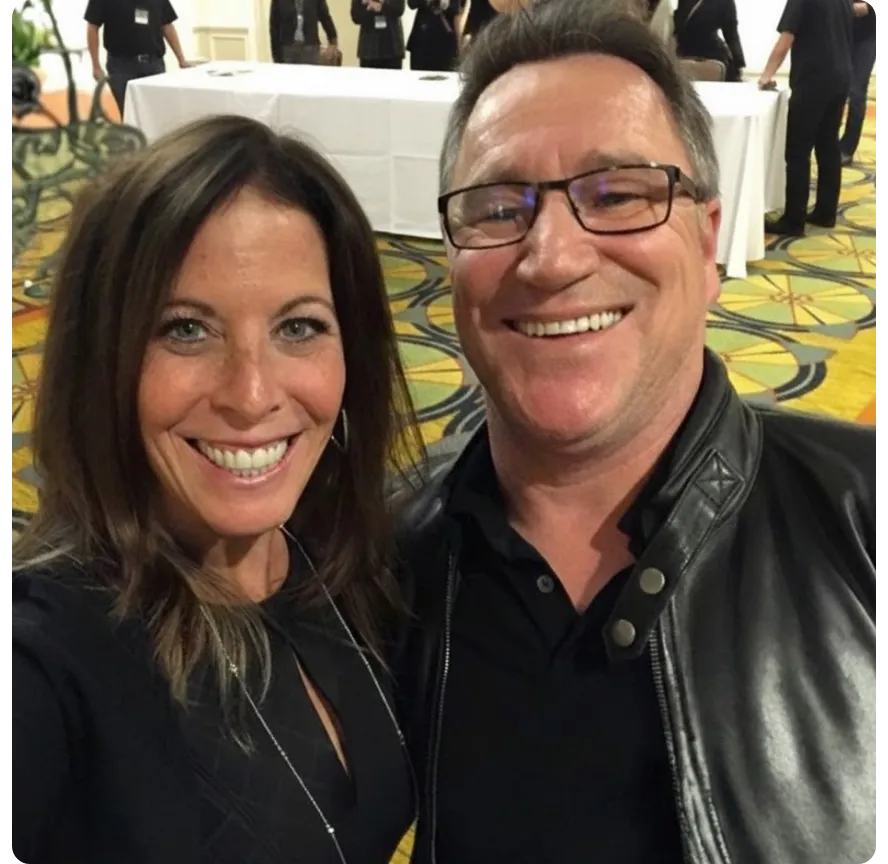
Michael Burnett
CEO of Success Resources America
Michael Burnett
CEO of Success Resources America
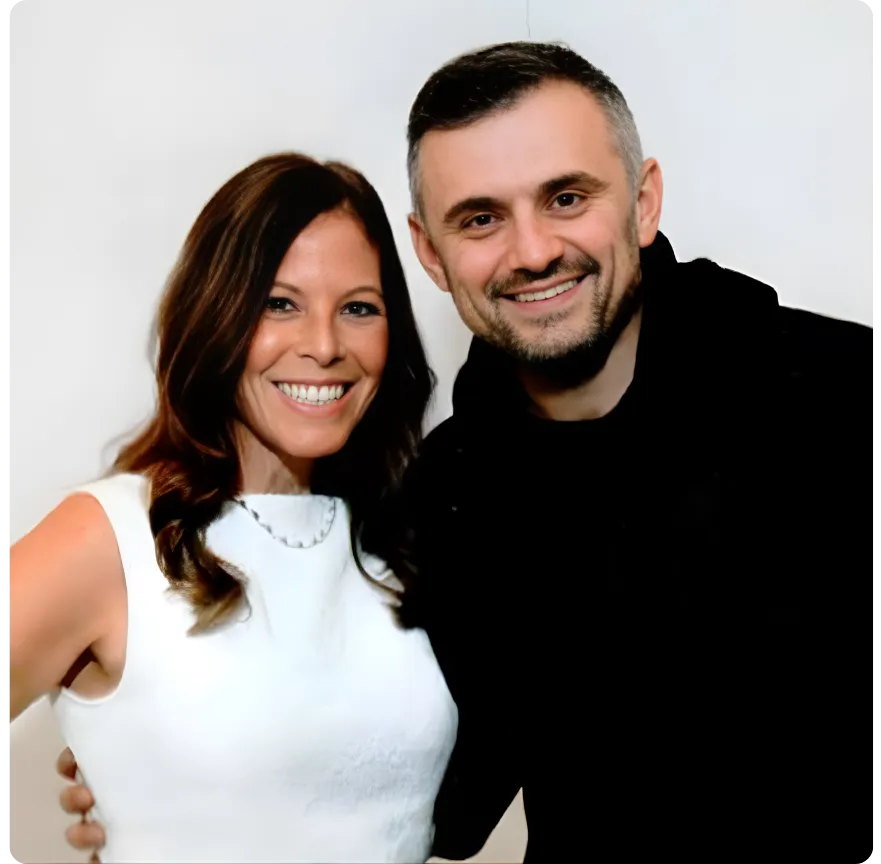
Gary Vee
Founder & CEO of VaynerMedia, Pioneer of Social Media Marketing. Author, Speaker, and Digital Communications Strategist
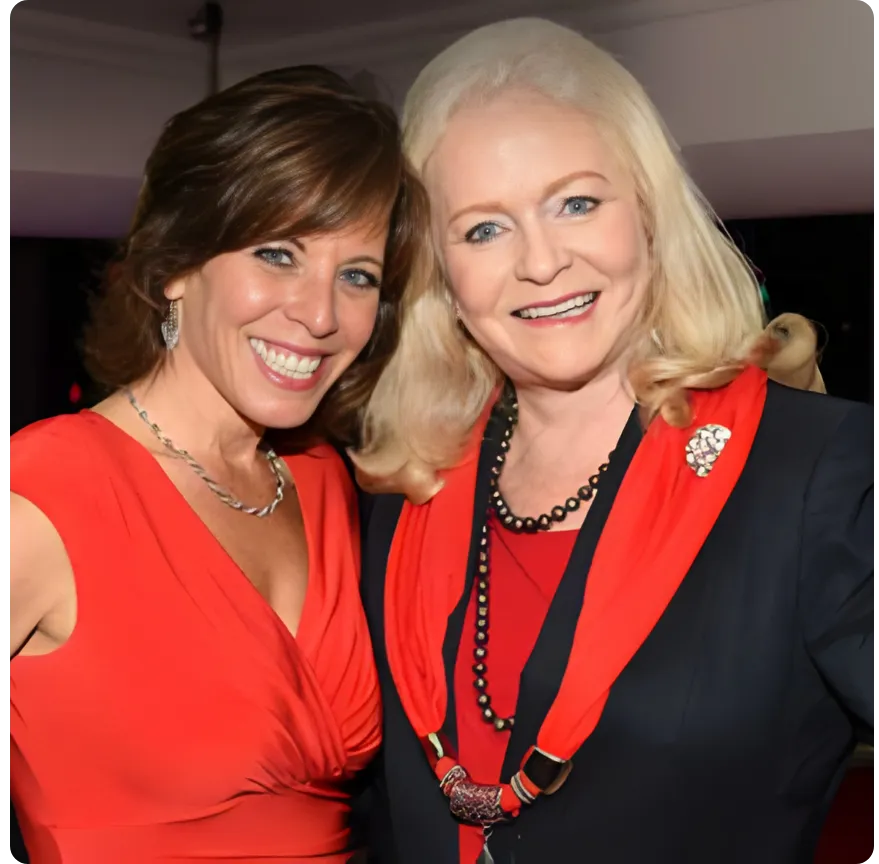
Sharon Letcher
Co-Author of Rich Dad Poor Dad, Entrepreneur & Financial Education Advocate. Entrepreneur, Speaker, and Former Advisor to U.S. Presidents on Financial Literacy
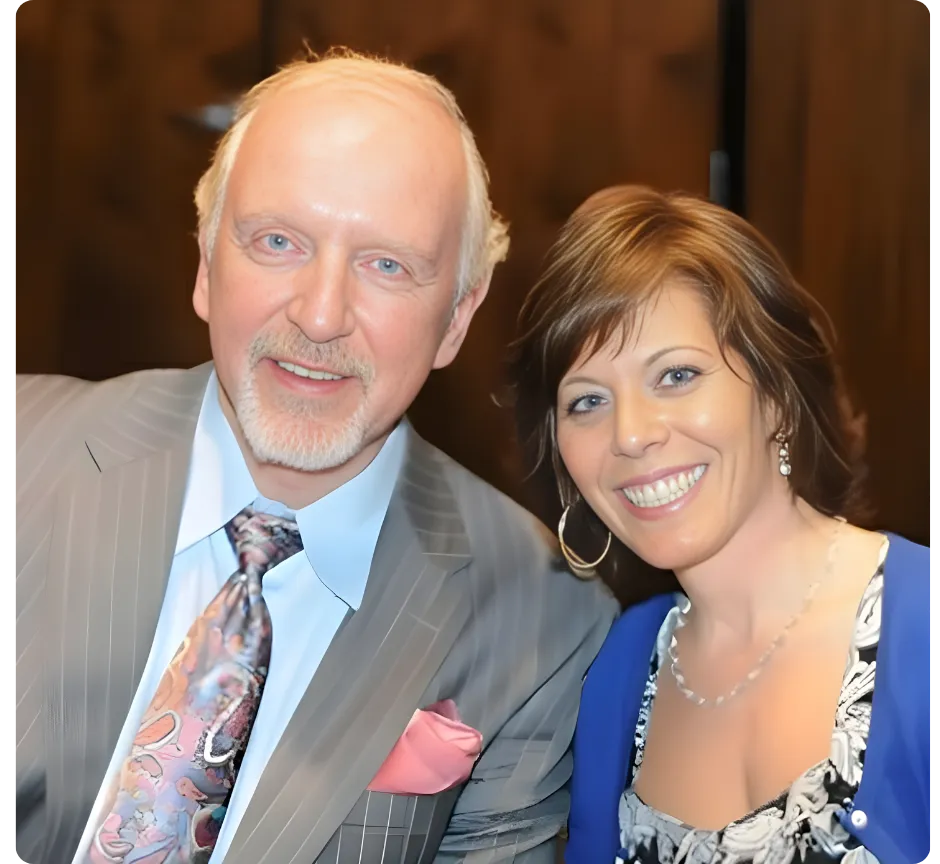
Mark Victor Hansen
Co-Creator of the Billion-Copy Chicken Soup for the Soul Series, Keynote Speaker. Author, Philanthropist, and Worldwide Leader in Personal Development
Ready to Scale Smarter & Lead with Clarity?
Schedule Your
Free Discovery Call Today
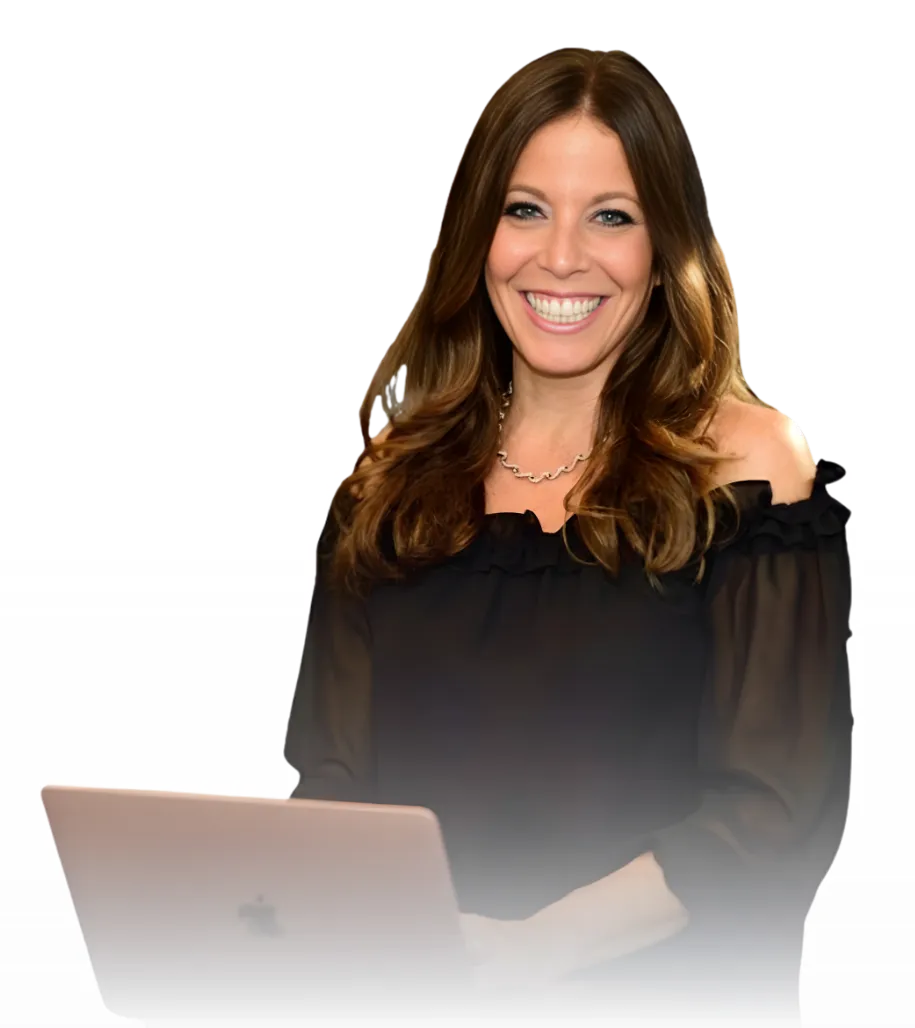
Ready to Scale Smarter and Lead with Clarity?
Ready to Scale Smarter and
Lead with Clarity?
Book Your Free Discovery Call
Book Your
Free Discovery Call
Download the AI Marketing Mastery Guide



Disclaimer: This site and its materials are for informational purposes only. Results vary and are not guaranteed. Please consult with a licensed professional for personalized advice. Learn more on our Disclaimer Page.
© Copyright 2026, Lisa Lieberman-Wang.com, All Right Reserved